Choosing the right glass pipe can feel confusing, especially if you’re new to dry herb accessories. With so many shapes, materials, sizes, and styles available, it’s natural to wonder how to choose a glass pipe that truly fits your needs and lifestyle.
From experience helping customers across Australia choose their first glass pipe – and upgrade from basic options to better-quality pieces – one pattern is clear: the best choice usually depends on a few practical factors. Material, glass thickness, airflow design, size, portability, and ease of cleaning all matter more in the long run than appearance alone.
By the end of this guide, you will understand exactly what to look for in a glass pipe so you can make a confident, informed decision and avoid common beginner mistakes.
Why Choosing the Right Glass Pipe Matters
The glass pipe you choose has a direct impact on:
- How comfortable and smooth each session feels
- How long the pipe lasts before it chips, cracks, or breaks
- How easy it is to keep clean and hygienic
- How convenient it is to carry, store, and travel with
Many beginners pick a pipe only because it looks nice or is the cheapest option. Over time, they often discover that thin glass, awkward shapes, or difficult-to-clean designs make daily use frustrating.
“Good gear doesn’t just look nice – it should make your routine easier, safer, and more enjoyable.”
This guide focuses on those practical details so you can avoid buying a pipe you’ll quickly outgrow or regret.

Understanding What a Glass Pipe Is
Before comparing different models, it helps to understand the basic structure of a glass pipe and what each part does.
Most standard glass pipes have four main components:
- The bowl – where you place your dry herbs
- The airflow channel – the path the air and vapour travel through the pipe
- The mouthpiece – where you inhale
- The body – the structure that connects and supports everything
Quality glass pipes are typically made from borosilicate glass – the same family of glass often used in laboratory and kitchenware because it handles heat and temperature changes more reliably than standard glass.
According to manufacturers of scientific glassware, borosilicate glass is valued for its heat resistance, stability, and lower risk of cracking under temperature changes compared to regular soda-lime glass.
A good buying decision starts with prioritising strong, safe materials before appearance.
Types of Glass Pipes and When to Choose Each
Different glass pipe shapes are designed for different preferences and situations. Understanding the main types will help you quickly narrow down your options.
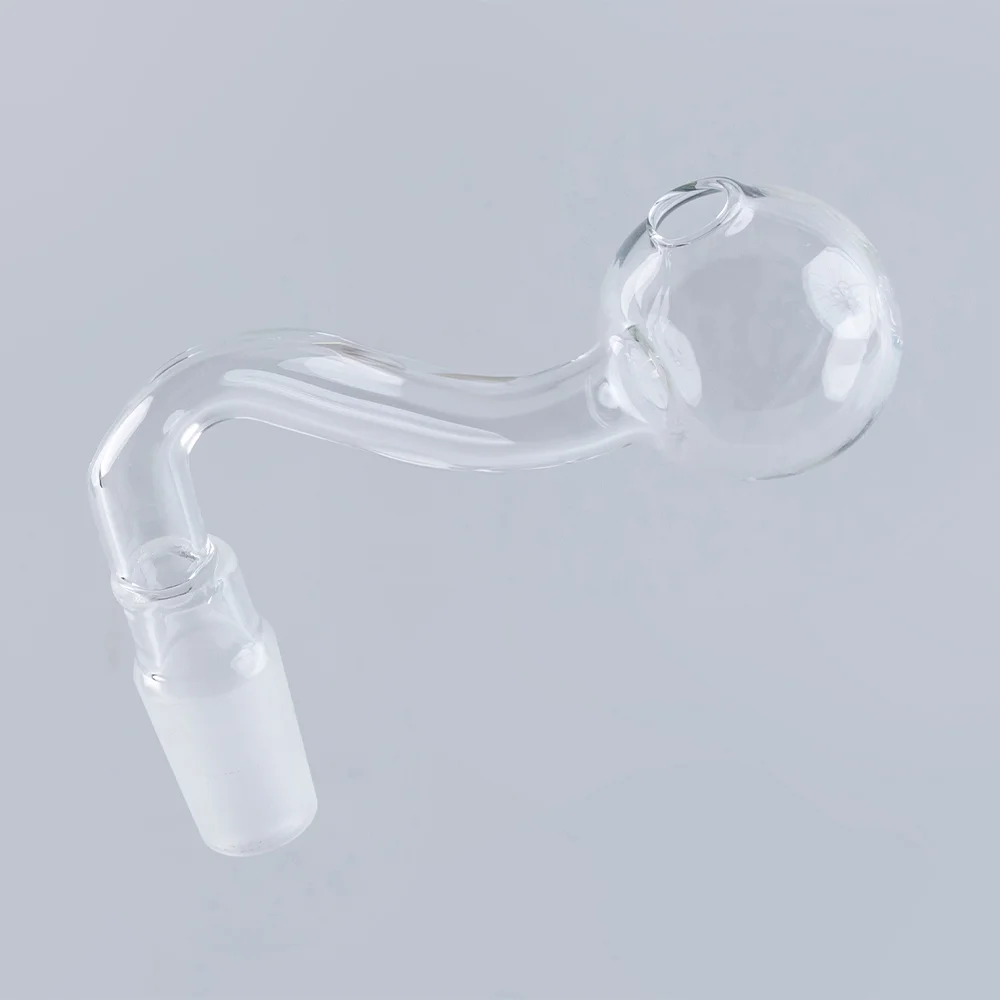
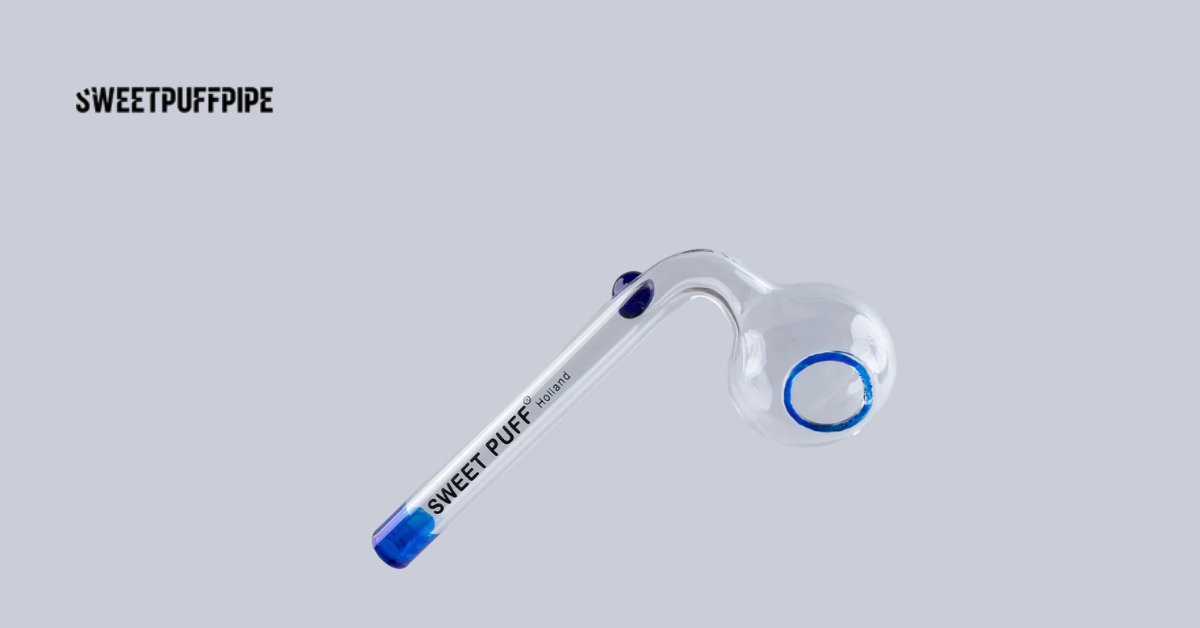
Spoon Pipes – Best for Everyday Use
- Ergonomic, rounded shape that fits comfortably in the hand
- Compact size, suitable for home or on the go
- Simple structure that is easy to learn and maintain
If you want a reliable, all-round option, a medium-sized spoon pipe is often the safest starting point.
Straight Glass Pipes – Simple and Easy to Clean
Straight pipes feature a direct, linear airflow path.
- Minimalist design with fewer curves and chambers
- Generally easier to clean thoroughly
- Often preferred by users who value straightforward function over decoration
If you care most about simple maintenance and consistent airflow, a straight pipe is worth considering.
Curved and Sherlock-Style Pipes – Ergonomic Grip
Curved pipes and Sherlock-style designs include a bend in the body.
- Natural, comfortable hand position
- Often more stable when resting on a flat surface
- Stylish look without sacrificing basic airflow
These designs suit users who want a comfortable grip and a bit more character than a basic straight pipe.
One-Hitter & Chillum Pipes – Ultra-Portable Options
One-hitter and chillum-style glass pipes are small and very discreet.
- Extremely compact and pocket-friendly
- Designed for short, quick sessions
- Usually less forgiving for beginners because of their size and heat concentration
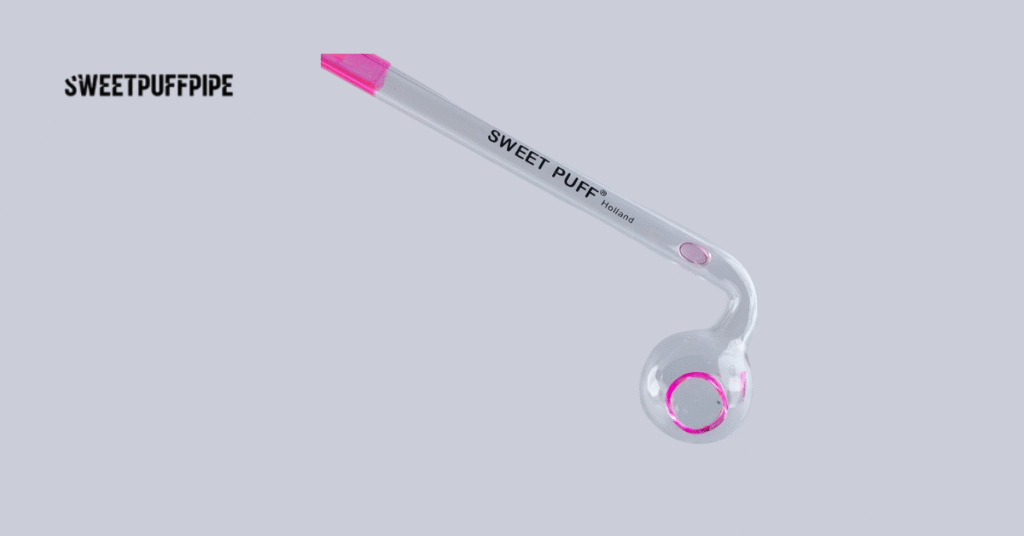
They are best suited for experienced users who prioritise portability above all else.
If you are completely new to glass pipes, a spoon or small straight pipe is often easier to handle than a chillum or one-hitter.
Key Factors to Consider Before You Buy a Glass Pipe
When choosing a glass pipe, it helps to think through a few key factors rather than focusing only on the design or price.
Material and Glass Quality
High-quality glass pipes are usually made from borosilicate glass. When evaluating material quality, pay attention to:
- Whether the product description clearly states “borosilicate glass”
- The feel of the glass in your hand – cheap glass often feels thin or hollow
- Visible imperfections such as bubbles, cracks, or uneven thickness
Choose borosilicate glass whenever possible, and avoid pipes that look or feel overly thin or fragile.
Pipe Size and Portability
Size has a big impact on comfort and portability. Most glass pipes fall into three rough size categories.
Small Glass Pipes (Under 12 cm)
- Very portable and discreet
- Easy to store in a small pouch or case
- May require more careful handling due to a smaller grip area
Choose a small pipe if you prioritise portability and discretion, especially when travelling.
Medium Glass Pipes (12–15 cm)
- Balanced size for both home and light travel
- Comfortable grip for most hand sizes
- Stable handling in everyday use
For many people, a medium-sized glass pipe is the best all-around choice.
Large Glass Pipes (Over 15 cm)
- Easier grip and more stability in the hand
- Often feel more substantial and solid
- Less portable and requires more storage space
Choose a larger pipe if you mostly use it at home and value a more stable, heavier piece.
Glass Thickness and Durability
Glass thickness is one of the most important but overlooked factors.
Thin Glass Pipes
- Lightweight and usually cheaper
- More fragile and less forgiving if dropped or bumped
Thick Glass Pipes
- Stronger structure and improved durability
- Better resistance to accidental knocks
- Often preferred for long-term use
If you tend to use your pipe frequently, share with friends, or travel with it, thicker glass is usually worth the slightly higher price.
Airflow Design and Performance
Good airflow is essential for a comfortable experience.
A well-designed glass pipe should provide:
- Smooth airflow without tight, uncomfortable resistance
- An unobstructed path with minimal sharp turns or narrow points
- A consistent draw that doesn’t feel too harsh
Overly complex shapes can look impressive, but they sometimes compromise airflow and are harder to clean. When in doubt, simpler internal paths are usually more practical.
Ease of Cleaning and Maintenance
Cleaning is a long-term reality with any glass pipe. Designs that are easier to clean will save you time and effort.
Look for pipes that have:
- Simple, straight or gently curved airflow channels
- Minimal internal chambers and hidden corners
- Enough space to allow cleaning solutions to reach all surfaces
A pipe that is easier to clean will stay clearer, smell fresher, and last longer.
Comfort, Grip, and Ergonomics
Comfortable ergonomics can make everyday use much more enjoyable.
When holding a pipe, pay attention to:
- How naturally it sits in your hand
- The balance of weight from bowl to mouthpiece
- The shape and feel of the mouthpiece
- How easy it is to bring to your lips from a relaxed position
If a pipe feels awkward or unbalanced in your hand, you may find yourself using it less often.
Transparency and Visual Inspection
One practical advantage of glass is transparency.
A transparent or semi-transparent pipe makes it easier to:
- See residue or buildup inside the airflow channel
- Check overall cleanliness and hygiene
- Spot any small cracks or structural issues early
This visual feedback helps you know when it’s time for a thorough clean.
How to Choose the Right Glass Pipe Step by Step
If you prefer a clear decision-making process, use this simple step-by-step approach.
Step 1 – Decide Where and How You Will Use Your Pipe
Think about your typical routine:
- Mostly at home and relaxed
- Occasionally outdoors or at friends’ places
- Frequently on the move or travelling
Home-focused users can comfortably choose medium to large pipes. Frequent travellers should prioritise compact size, thicker glass, and a protective case.
Step 2 – Choose the Size That Fits Your Lifestyle
Based on your usage, decide whether small, medium, or large makes the most sense.
- Choose a small pipe if you value portability and discretion.
- Choose a medium pipe for the best balance of comfort, stability, and convenience.
- Choose a large pipe if you want a more substantial piece and mainly use it at home.
Step 3 – Select Glass Thickness for Durability
Next, decide how durable your pipe needs to be.
- If you are careful, use it mainly at home, and rarely drop things, standard medium-thickness glass may be enough.
- If you know you can be clumsy, share with friends, or travel often, thicker glass will usually be a smarter investment.
Step 4 – Pick the Shape and Airflow Style You Prefer
Match the pipe type to your preference and experience level.
- Spoon pipes – ideal for beginners and everyday use
- Straight pipes – great if you value simple cleaning and direct airflow
- Curved or Sherlock-style pipes – comfortable and stylish, a good ergonomic choice
- One-hitters and chillums – best for experienced users who need maximum portability
Step 5 – Balance Design, Budget, and Practicality
Once the main functional criteria are clear, you can compare designs and prices.
- Focus on build quality and usability first
- Treat colour and decoration as a bonus, not the primary reason to buy
- Stay within a realistic budget while choosing the most durable, user-friendly pipe available
The goal is to choose a pipe you will happily use for a long time, not one that only looks good in photos.

Choosing a Glass Pipe in Australia
If you are buying a glass pipe in Australia, there are a few local considerations worth keeping in mind.
What Australian Buyers Should Keep in Mind
- Shipping distances can be long, so proper packaging and handling are essential
- Buying from an Australian-based store usually means faster delivery and easier returns
- Support from a local team can help you choose more confidently and resolve any issues quickly
Choosing a pipe from a trusted Australian retailer reduces the risk of receiving poorly packaged or low-quality products.
Buying from Local Australian Retailers vs Overseas Stores
When comparing local and overseas options, consider:
- Delivery times and tracking reliability
- Packaging standards for fragile glass items
- Local consumer protection and return policies
Buying locally often provides better peace of mind, especially for fragile products like glass pipes.
Always make sure you follow local regulations in your area and use all smoking accessories responsibly.
Authenticity, Product Quality, and Where to Buy Safely
Authentic, well-made glass pipes are more consistent in quality and safer to use.
How to Spot a Well-Made Glass Pipe
- Even glass thickness around the bowl and body
- Smooth edges on the mouthpiece
- No obvious cracks, sharp spots, or serious deformities
- A stable base or resting point when placed on a flat surface
If a pipe feels flimsy or looks poorly finished, it is usually better to move on to a different option.
Why Buying from Reputable Sellers Matters
Reliable sellers typically:
- Source products from trusted manufacturers
- Check for obvious defects before shipping
- Package glass properly to minimise breakage in transit
This not only protects your purchase but also helps ensure more consistent quality over time.
A good rule of thumb: if a seller cannot clearly explain what material their pipes are made from or how they are packaged, it is safer to look elsewhere.
Budget and Price: How Much Should You Spend on a Glass Pipe?
Glass pipes are available at a wide range of price points.
Factors that affect price include:
- Glass thickness and material quality
- Design complexity and craftsmanship
- Brand reputation and origin
The most expensive option is not automatically the best choice for you.
- If you are a beginner, a fairly priced, medium-thickness borosilicate glass pipe is often ideal.
- If you are upgrading, investing in thicker glass and more refined craftsmanship can make sense.
Focus on durability, comfort, and ease of cleaning before worrying about decorative details.
Common Mistakes When Choosing a Glass Pipe
Many first-time buyers repeat the same simple mistakes.
- Choosing based only on appearance
- Ignoring glass thickness and durability
- Forgetting to think about cleaning and maintenance
- Buying from unverified or low-quality sellers based purely on price
Avoiding these mistakes will save you money and frustration over time.
Who a Glass Pipe Is Best Suited For
Glass pipes can suit a wide range of users.
- Beginners who want a simple, easy-to-understand device
- Everyday users who value reliability and consistent performance
- Travellers who need compact, well-protected options
Matching the pipe to your lifestyle – home use, occasional trips, or frequent travel – helps ensure you actually enjoy using it regularly.
How to Use and Handle Your Glass Pipe Responsibly
Because glass is breakable, responsible handling is essential.
Helpful habits include:
- Avoid dropping the pipe on hard surfaces
- Store it in a padded case or designated safe place when not in use
- Allow the pipe to cool before handling or cleaning
- Check regularly for cracks or chips and stop using the pipe if you notice significant damage
Always use any smoking accessory responsibly and follow local regulations in your area. If you have health-related questions, it is best to speak with a qualified healthcare professional.
How to Clean and Maintain Your Glass Pipe
Regular cleaning keeps your glass pipe working well and looking clear.
How Often You Should Clean Your Pipe
How often you clean your pipe depends on how frequently you use it.
- Light users may clean every few sessions
- Frequent users often benefit from more regular maintenance
If you start noticing unpleasant odours, visible buildup, or tighter airflow, it is a good sign that your pipe needs cleaning.
Basic Cleaning and Care Tips
- Use suitable cleaning solutions designed for glass or follow safe, widely recommended methods
- Rinse thoroughly with clean water after using any cleaning product
- Allow the pipe to dry completely before storing or using it again
- Store the pipe in a safe, stable location away from edges and high-traffic areas
Consistent care helps maintain airflow, hygiene, and the overall lifespan of your glass pipe.
Frequently Asked Questions About Choosing a Glass Pipe
How do I know which size glass pipe is right for me?
Choose based on where and how you usually use it. If you mostly stay at home, a medium or large pipe will feel more stable. If you often travel or prefer something discreet, a small, thick-walled pipe is usually more practical.
Is borosilicate glass really better than regular glass?
Borosilicate glass is widely preferred for quality glass pipes because it handles heat and temperature changes better than standard glass. It is still glass and can break, but it is generally more stable and reliable in everyday use.
How long can a good glass pipe last?
With careful handling and regular cleaning, a well-made borosilicate glass pipe can last for a long time. Most breakages come from drops or impacts rather than normal use.
Are cheap glass pipes safe to use?
Some inexpensive pipes can be safe, but quality varies widely. Very thin or poorly made glass is more likely to crack or break. It is usually safer to buy from reputable sellers who clearly state the material and show real product photos.
How do I know if a glass pipe is easy to clean?
Look at the internal structure. Pipes with simple airflow paths, minimal tight corners, and smooth internal surfaces are usually easier to clean than very intricate or heavily decorated designs.
Can glass pipes be shipped safely across Australia?
Yes, if they are packaged properly with adequate padding and protection. When ordering within Australia, look for retailers that clearly mention protective packaging and have experience shipping fragile items.
Quick Checklist Before You Buy a Glass Pipe
Use this short checklist to double-check your decision before you purchase.
- Material: Is it borosilicate glass with clear product information?
- Thickness: Is the glass thickness suitable for how often and where you will use it?
- Size: Does the pipe size (small, medium, or large) match your lifestyle?
- Shape: Does the type (spoon, straight, curved, or one-hitter) fit your experience level and preference?
- Airflow: Does the design allow a simple, unobstructed airflow path?
- Cleaning: Will you be able to clean it easily and regularly?
- Seller: Are you buying from a reputable Australian retailer with good packaging and customer support?
If you can confidently say yes to these points, you are much more likely to be happy with your new glass pipe.
Related Guides and Helpful Resources
If you would like to explore related topics before deciding, you may find these guides useful:
- What is a Sweet Puff Pipe? – a simple explanation for beginners
- How Does a Sweet Puff Pipe Work? – understanding the basics of use and airflow
- Sweet Puff Pipe for Beginners – tips for first-time users
- Benefits of Using a Glass Pipe – why many people prefer glass over other materials
- Best Glass Pipe for Dry Herbs – ideas for choosing specific models based on usage
Exploring these guides together with this buying guide will give you a more complete understanding of your options.
Final Thoughts: Choosing the Best Glass Pipe for Your Needs
Choosing the right glass pipe comes down to a few key decisions: prioritising quality materials, an appropriate size, sensible glass thickness, good airflow, and easy maintenance.
For many users, a medium-sized borosilicate glass spoon pipe with moderate-to-thick glass and a comfortable grip offers the best balance between durability, portability, and everyday usability.
By focusing on practical details instead of appearance alone, you can select a glass pipe that genuinely suits your lifestyle and gives you a smoother, more reliable experience over the long term.