Choosing the right glass pipe can feel confusing, especially if you’re new to dry herb accessories. With so many shapes, materials, sizes, and styles available, it’s natural to wonder how to choose a glass pipe that fits your needs.
From my experience assisting customers across Australia and international markets, the best choice usually depends on several practical factors: glass quality, durability, airflow design, size, portability, and ease of maintenance. While aesthetics may catch your attention first, the long-term usability of the pipe is often what matters most.
In this guide, we’ll walk through the most important considerations so you can choose a glass pipe confidently and avoid common mistakes.
Understanding What a Glass Pipe Is
Before choosing one, it helps to understand the basic structure of a glass pipe.
Most glass pipes consist of several simple components:
- The bowl – where dry herbs are placed
- The airflow channel – where air travels through the pipe
- The mouthpiece – where airflow exits
- The body – the structure holding everything together
Glass pipes are typically made from borosilicate glass, a durable material known for heat resistance and structural stability.

👉 See more: Buy Sweet Puff Pipe Online: Safe & Smart Shopping Guide
Why Material Matters When Choosing a Glass Pipe
One of the most important factors when selecting a glass pipe is the material used.
Borosilicate Glass
High-quality glass pipes are usually made from borosilicate glass, which is widely used in laboratory equipment.
Advantages of Borosilicate Glass
- resistant to thermal shock
- durable under temperature changes
- less likely to crack compared to standard glass
While borosilicate glass improves durability, it is still glass and must be handled carefully.
Choosing the Right Size
Size plays a major role in comfort and portability.
Small Glass Pipes (Under 12cm)
Benefits:
- highly portable
- discreet storage
- lightweight
Considerations:
- smaller grip area
- may require more careful handling
Medium Glass Pipes (12–15cm)
Benefits:
- balanced size
- comfortable grip
- stable handling
This size range is often considered ideal for everyday use.
Larger Glass Pipes (Over 15cm)
Benefits:
- easier grip
- more stability
- Considerations:
- less portable
- requires more storage space
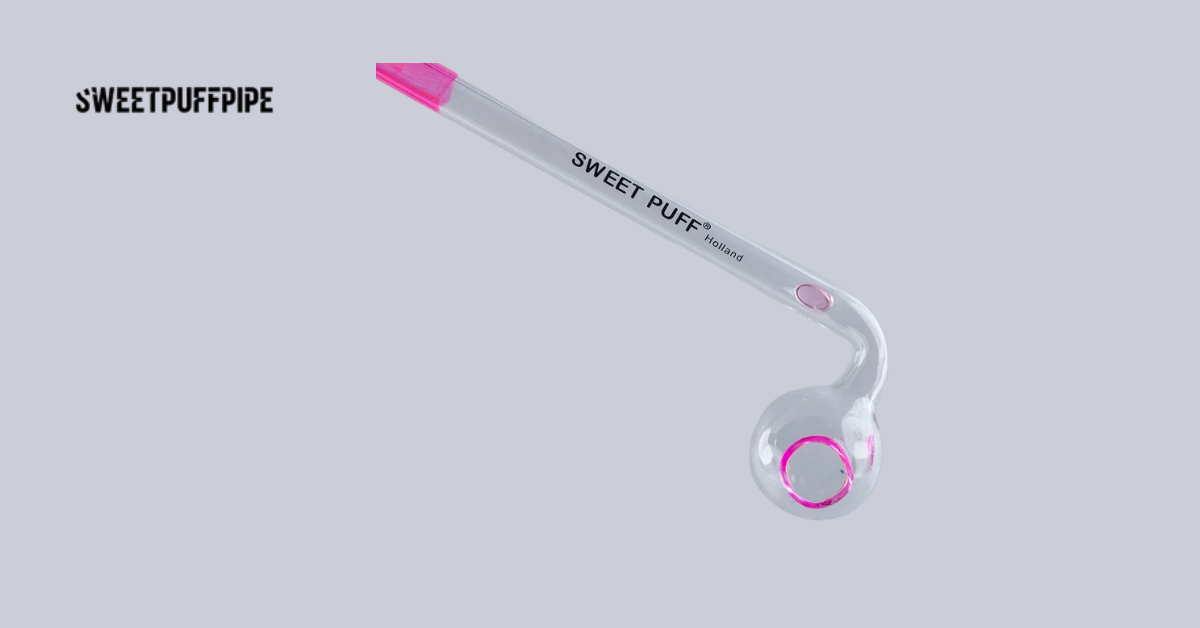
👉 See more: Sweet Puff Straight Glass Pipe
Understanding Different Glass Pipe Shapes
The shape of the pipe affects ergonomics, airflow, and maintenance.
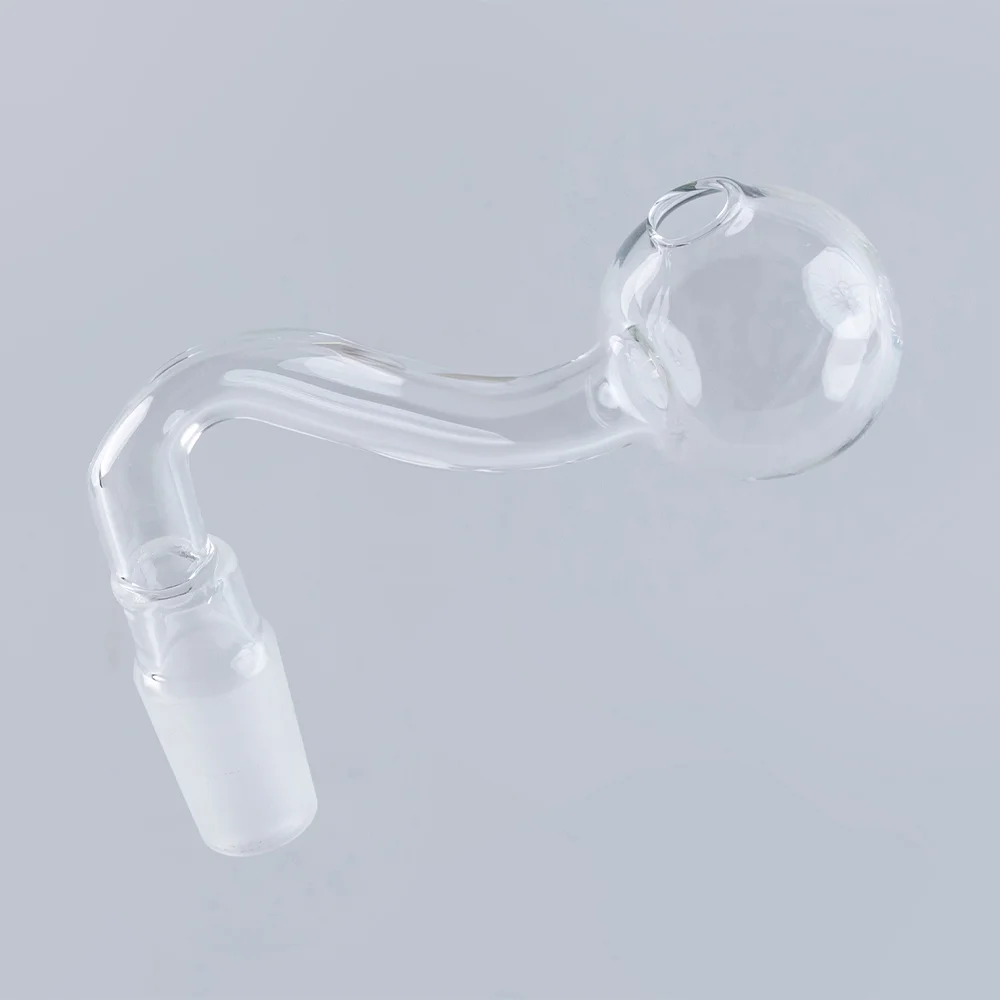
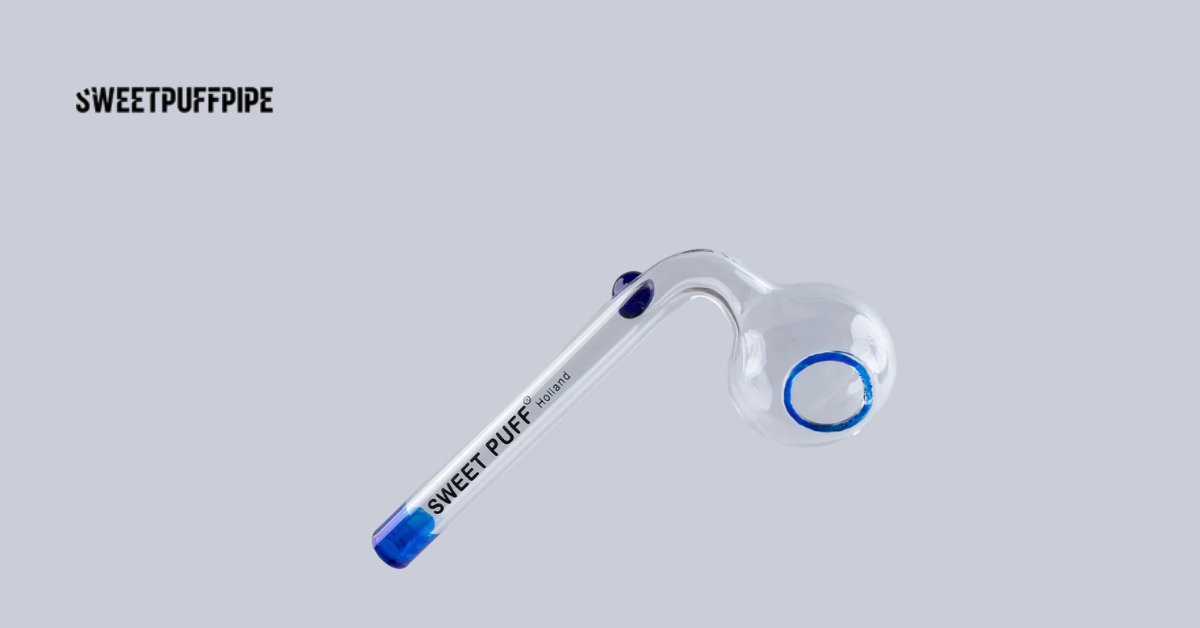
Spoon Pipes
Spoon pipes are one of the most common styles.
Advantages:
- ergonomic grip
- compact design
- beginner-friendly
They are widely recommended for new users.
Straight Pipes
Straight pipes feature a direct airflow channel.
Advantages:
- simple design
- easy cleaning
- minimal structure
They are often chosen by users who prefer straightforward functionality.
Curved Pipes
Curved pipes feature a bent structure that improves ergonomics.
Advantages:
- comfortable grip
- improved stability when resting
- natural hand positioning
The airflow system remains similar to straight pipes.
Glass Thickness: Why It’s Important
Glass thickness directly affects durability.
Thin Glass Pipes
Advantages:
- lightweight
- often less expensive
Disadvantages:
- more fragile
- shorter lifespan if mishandled
Thick Glass Pipes
Advantages:
- stronger structure
- improved durability
- better resistance to accidental bumps
Many experienced users prefer thicker glass for long-term reliability.
Airflow Design and Performance
Airflow is a key factor influencing usability.
A good glass pipe should offer:
- smooth airflow
- balanced draw resistance
- unobstructed airflow path
Pipes with overly complex designs may look interesting but can be harder to clean and maintain.
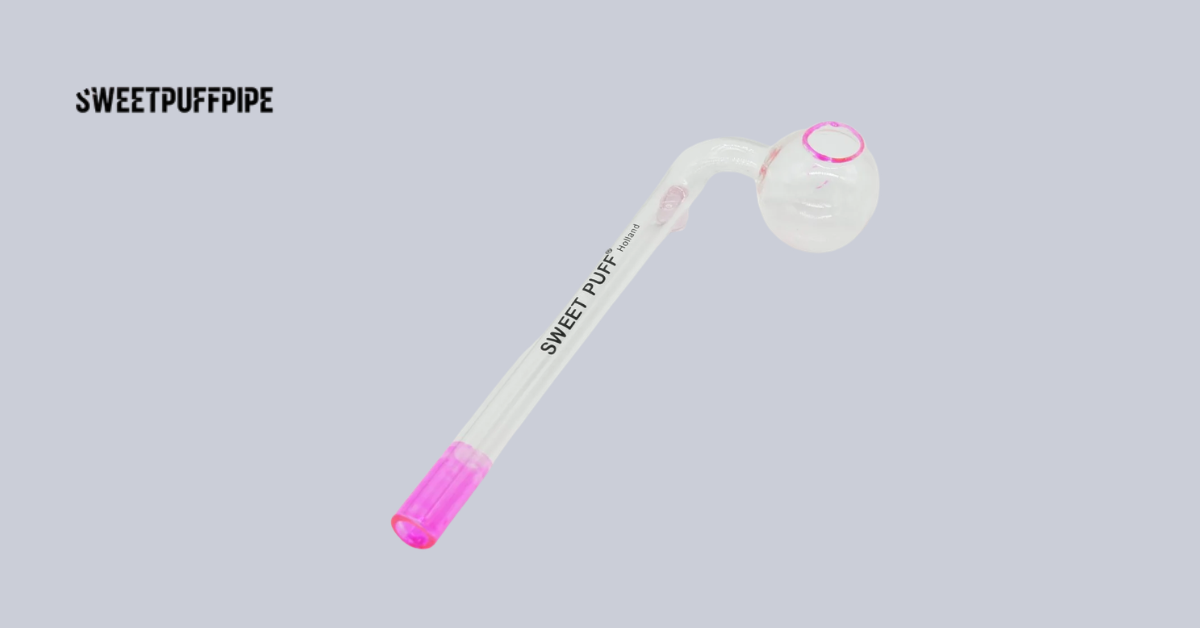
👉 See more: What is a sweet puff pipe
Ease of Cleaning
Cleaning is often overlooked when choosing a pipe, but it becomes important over time.
Pipes That Are Easier to Clean
Look for pipes with:
- simple airflow channels
- smooth interior surfaces
- minimal internal chambers
Complex designs may trap residue and require more maintenance.
Comfort and Ergonomics
A pipe that feels comfortable in your hand can improve your overall experience.
Consider:
- grip comfort
- weight balance
- mouthpiece shape
- bowl positioning
Ergonomic designs can make everyday use easier and more enjoyable.
Portability and Storage
If portability is important, consider the following factors:
- compact size
- lightweight construction
- simple structure
Some users also choose protective cases to help prevent accidental damage during travel.
Transparency and Visual Inspection
Glass pipes offer the advantage of transparency.
This allows users to:
- see residue buildup
- check cleanliness
- identify airflow obstructions
Being able to visually inspect the pipe helps maintain proper hygiene.
Authenticity and Product Quality
Buying from reputable sellers helps ensure consistent product quality.
Authentic products typically provide:
- consistent glass thickness
- reliable manufacturing standards
- proper packaging during shipping
Unverified sellers may offer products with inconsistent quality.
Budget Considerations
Glass pipes are available in a wide range of price points.
Factors influencing price include:
- glass thickness
- design complexity
- craftsmanship
- brand reputation
The most expensive pipe is not always the best choice. Focus on durability and usability rather than appearance alone.
Common Mistakes When Choosing a Glass Pipe
Many buyers make simple mistakes when selecting their first pipe.
Choosing Based Only on Appearance
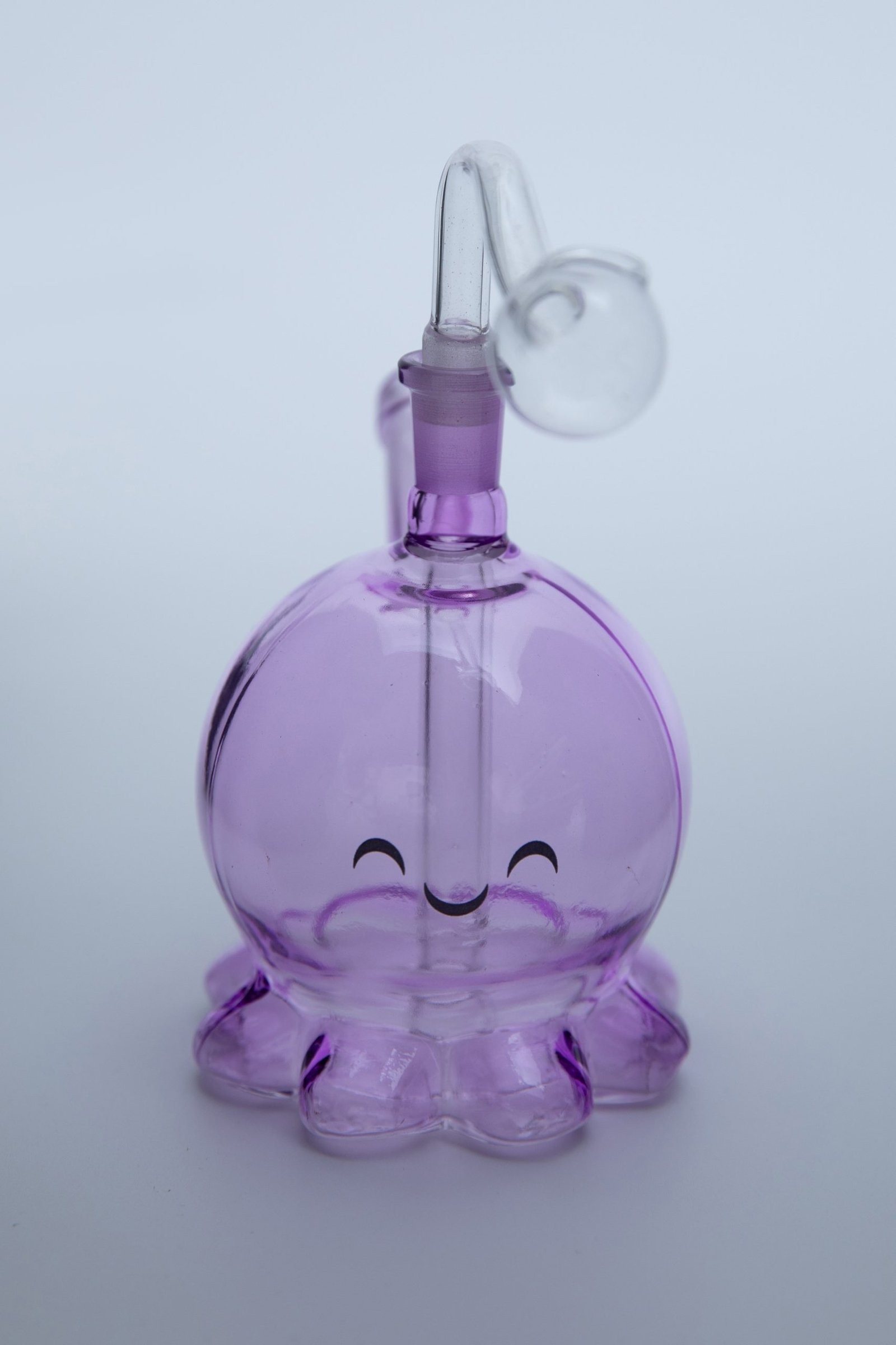
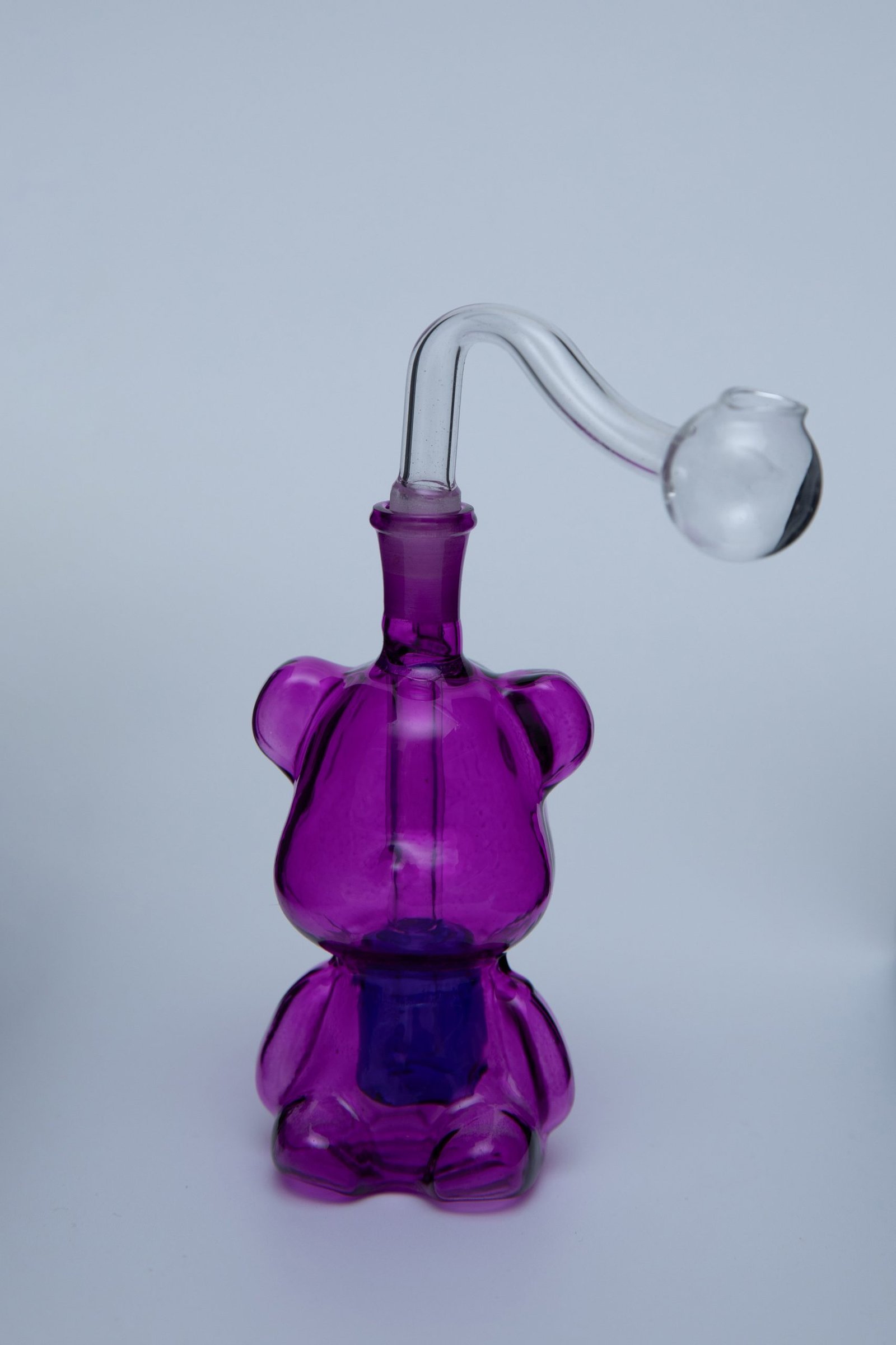
Decorative designs may sacrifice practicality.
Ignoring Glass Thickness
Thin glass pipes may break more easily.
Buying Without Considering Cleaning
Complex shapes can trap residue and require more maintenance.
Buying from Unverified Sellers
Quality may vary if the source is unreliable.
Who Should Use a Glass Pipe?
Glass pipes are suitable for many different users.
Beginners
Advantages:
- simple structure
- easy cleaning
- straightforward use
Everyday Users
Advantages:
- reliable performance
- portable design
- minimal maintenance
Travelers
Advantages:
- compact size
- easy storage
Choosing based on your lifestyle helps ensure the pipe fits your needs.
Responsible Handling of Glass Pipes
Because glass pipes are fragile, responsible handling is essential.
Safety Tips
- avoid dropping on hard surfaces
- store in padded cases when traveling
- inspect regularly for cracks
- allow cooling before handling after use
These habits help prevent accidents and extend the lifespan of the pipe.
Maintaining Your Glass Pipe
Proper maintenance helps keep your pipe in good condition.
Maintenance Tips
- clean regularly
- rinse thoroughly after cleaning
- allow the pipe to dry completely before storage
- store in a safe location
Regular care helps maintain airflow and hygiene.
Internal Resources You May Find Helpful
If you are researching before choosing a glass pipe, these guides may help:
- What Is a Sweet Puff Pipe?
- How Does a Sweet Puff Pipe Work?
- Sweet Puff Pipe for Beginners
- Benefits of Using a Glass Pipe
- Best Glass Pipe for Dry Herbs
These articles can help you better understand different options before making a decision.
Final Thoughts: Choosing the Right Glass Pipe
Understanding how to choose a glass pipe comes down to evaluating practical factors such as material quality, glass thickness, airflow design, and ease of maintenance.
For many users, a simple borosilicate glass pipe with moderate thickness and a comfortable grip offers the best balance between durability and everyday usability.
By focusing on quality materials and straightforward design, you can choose a pipe that fits your needs while offering long-term reliability.